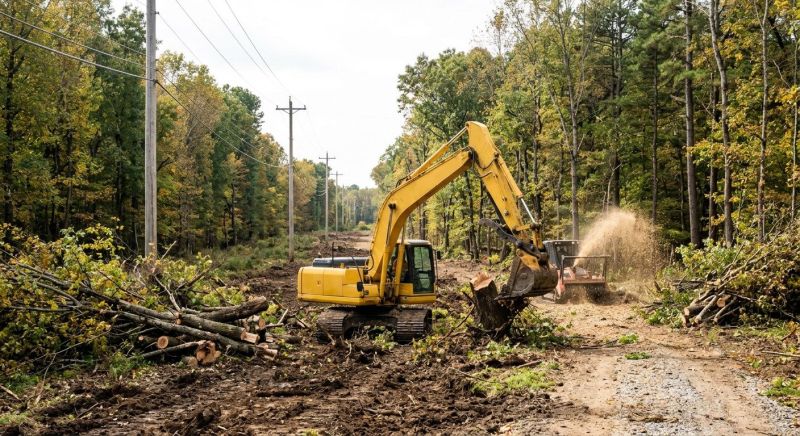
Easement Land Clearing in Houston, TX
Easement land clearing services involve removing trees, brush, and other vegetation from designated areas on a property to create or maintain access pathways, utility corridors, or drainage channels. These projects typically support the installation and maintenance of utility lines, driveways, or fencing, ensuring clear and safe passage through the land. Property owners often request this service to prepare land for construction, improve accessibility, or meet local regulations for utility or drainage easements.
Before requesting easement land clearing, property owners should understand the boundaries and purpose of the easement area, as well as any local regulations or restrictions that may apply. It is also helpful to consider the extent of vegetation to be removed and whether additional services, such as stump grinding or debris removal, are needed. Clarifying these details can help ensure the project aligns with land use goals and complies with any relevant guidelines.
Many property owners in Houston, TX look into Easement Land Clearing for repairs, replacements, upgrades, and appearance-related improvements.
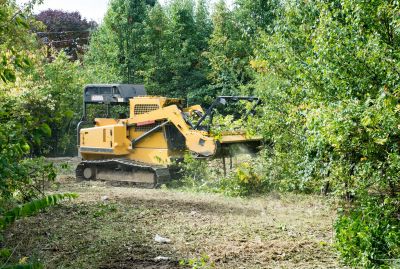
Land Access Improvements
Easement land clearing prepares properties for driveway and pathway development.
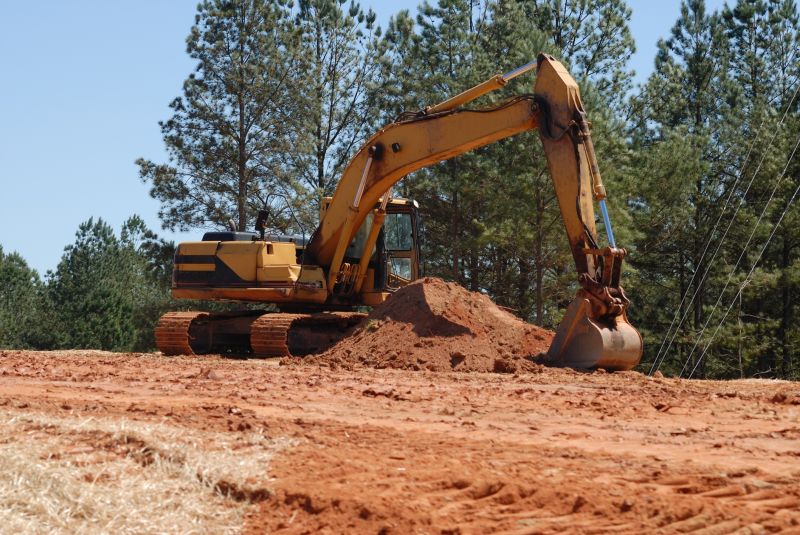
Property Expansion Projects
Clearing easements can create space for new construction or landscaping in houston, tx.
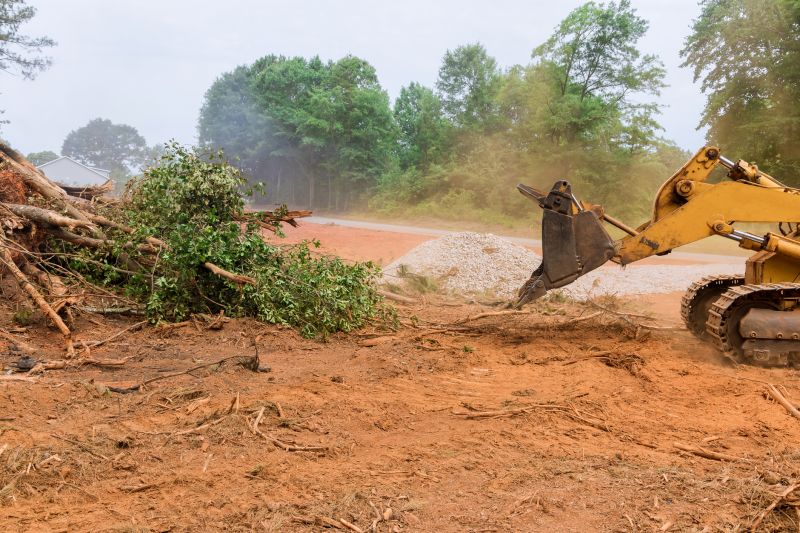
Maintenance And Access Management
Regular easement clearing ensures unobstructed access for utilities and property management.
Easement Land Clearing in Houston, TX

Easement land clearing services involve removing trees, brush, and other vegetation from designated areas on a property to create or maintain access pathways, utility corridors, or drainage channels. These projects typically support the installation and maintenance of utility lines, driveways, or fencing, ensuring clear and safe passage through the land. Property owners often request this service to prepare land for construction, improve accessibility, or meet local regulations for utility or drainage easements.
Before requesting easement land clearing, property owners should understand the boundaries and purpose of the easement area, as well as any local regulations or restrictions that may apply. It is also helpful to consider the extent of vegetation to be removed and whether additional services, such as stump grinding or debris removal, are needed. Clarifying these details can help ensure the project aligns with land use goals and complies with any relevant guidelines.
Many property owners in Houston, TX look into Easement Land Clearing for repairs, replacements, upgrades, and appearance-related improvements.
Common Easement Land Clearing Jobs
Easement Land Clearing - clearing vegetation and debris from utility and access easements.
Access Road Clearing - removing trees and brush to create clear pathways for driveways and access routes.
Utility Corridor Maintenance - preparing land for utility lines by removing obstructive vegetation.
Drainage Area Clearing - maintaining open drainage paths to prevent flooding and water buildup.
Property Line Clearing - defining boundaries by removing overgrown vegetation along property lines.
Storm Damage Cleanup - restoring easements after storm events by removing fallen trees and debris.
Easement Land Clearing Questions
What is easement land clearing? Easement land clearing involves removing trees, brush, and debris to access utility or property rights across a land area.
Why is easement land clearing needed? It is necessary to maintain access for utilities, drainage, or construction projects on property with established easements.
What types of projects require easement clearing? Projects such as installing pipelines, power lines, or drainage systems often need easement land clearing.
What should property owners know before clearing an easement? It’s important to identify property boundaries and understand local regulations before beginning clearing work.
Request Easement Land Clearing in Houston, TX
Use the quote form on this page to share the basics of your project and request more information for the type of work you need.